

“Starting next month, I will run three times a week”
“After Christmas, I will only eat ice cream once a week maximum"
As people who love to learn new ways to “hack” our lives, i believe that we need to break down the mechanic of how a habit is created in order to successfully create a new habit.
Charles Duhigg (a Pulitzer-prize winning reporter) wrote a very good book that breaks down the mechanics of habit creation, it is titled “The Power of Habit” (Published in 2012). You can see his work here: https://charlesduhigg.com/the-power-of-habit/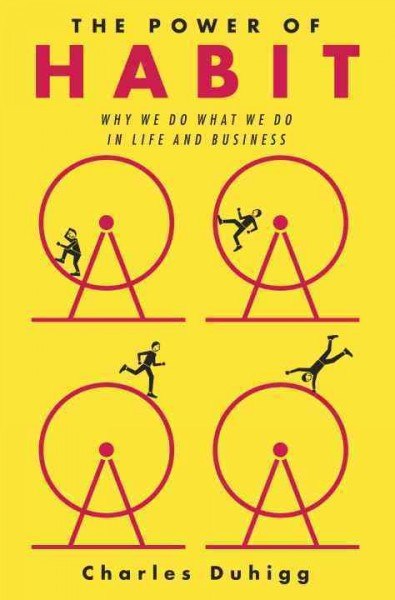 He argues that habit creation involves three components:
1. Cue
2. Routine
3. Reward
The cue is the trigger behind the behavior. For example, when you receive an email in your phone, your phone make a sound and the light is blinking. That is the cue.
What do you do next? You get anxious on who might send you an email, and what is the email about. Then you open your phone to check your email (that’s the routine!).
The reward is, you get a feeling of relief / satisfaction (and no more anxiety), because you are no longer curious who send the email and what is the email about.
How do you break your bad habit then? There are two ways to break and improve your bad habit:
On the other way round, you can also irreversibly use the cue as a way to forge positive habit change. For example, you have decided that you want to go the gym more often. Instead of relying on your willpower to go to the gym, you can sleep in your workout clothes and also put your running shoes beside your bed, so when you wake up the next day and found it, you will automatically think of the gym, and hence go there more often.
As you can see, most of the times, the decision to do something has been decided way back before the action actually takes place. In this case, the decision whether to go to the gym or not, is not decided on the morning when you just wake up (and most probably still feel sleepy), but it has been decided the day before that, when you put your running shoes as a cue beside your bed.
A client of mine (let’s call him Obamma) is your typical office worker. Like most of us, he is in a job that he does not really love. His job consists of many repetitive stuffs that make him bored.
He has this bad habit every day around 2.30 pm to go to cafeteria to eat cookie. He knows this is a bad habit and yet he is still doing it day after day.
After working with me and doing this exercise, here’s what he found:
- What’s the CUE and why are you doing that habit? At first he thought that he is craving sweet stuffs (he said that he has a “sweet tooth”), but after doing a deeper thinking, he finally realize that the real cue is BOREDOM. He is bored and crave mental / physical activity.
- What’s the ROUTINE? Go to cafeteria and eat cookie.
- What’s the REWARD? His craving of physical activity is fulfilled, he is not bored anymore.
- Go have a quick chat with coworker
- Go to toilet and wash his face
After doing the exercise with me, he has been able to break his bad habit. Now he never goes to the cafeteria to eat cookies anymore.
A study by Psychol Health Med that was published on August 16, 2011 also finds that habitual behaviors that are elicited automatically are more likely to be maintained. (https://www.ncbi.nlm.nih.gov/pubmed/21749245). In other words, you should not rely on willpower to maintain habits, but you should create automatic systems instead. Hence it is very important for you to also do these exercises, find out reasons behind why you do certain habits, and try to fix it.
Now, it is all about YOU. What good habits do you want to start? How about the bad ones which you want to break?
Start applying the technique to improve your life NOW. If you have any question, you can leave a comment here or you can email me HERE: youwillgetresults@gmail.com
“After Christmas, I will only eat ice cream once a week maximum"
How many of you have tried to start a new habit and failed?
Forming a new habit is not an easy task, yet we all know that in order to improve ourselves, creating a new habit (or breaking a bad one) is crucial and unavoidable.As people who love to learn new ways to “hack” our lives, i believe that we need to break down the mechanic of how a habit is created in order to successfully create a new habit.
Charles Duhigg (a Pulitzer-prize winning reporter) wrote a very good book that breaks down the mechanics of habit creation, it is titled “The Power of Habit” (Published in 2012). You can see his work here: https://charlesduhigg.com/the-power-of-habit/
He argues that habit creation involves three components:1. Cue
2. Routine
3. Reward
The cue is the trigger behind the behavior. For example, when you receive an email in your phone, your phone make a sound and the light is blinking. That is the cue.
What do you do next? You get anxious on who might send you an email, and what is the email about. Then you open your phone to check your email (that’s the routine!).
The reward is, you get a feeling of relief / satisfaction (and no more anxiety), because you are no longer curious who send the email and what is the email about.
How do you break your bad habit then? There are two ways to break and improve your bad habit:
A. Turn Off The Cue
Using the example above, you turn off the notification on your phone, or maybe you just put your phone away. Without the presence of the phone, there is no cue that sets your bad habit of checking emails too often. Hence, you can focus on more important task and be more productive.On the other way round, you can also irreversibly use the cue as a way to forge positive habit change. For example, you have decided that you want to go the gym more often. Instead of relying on your willpower to go to the gym, you can sleep in your workout clothes and also put your running shoes beside your bed, so when you wake up the next day and found it, you will automatically think of the gym, and hence go there more often.
As you can see, most of the times, the decision to do something has been decided way back before the action actually takes place. In this case, the decision whether to go to the gym or not, is not decided on the morning when you just wake up (and most probably still feel sleepy), but it has been decided the day before that, when you put your running shoes as a cue beside your bed.
B. Change The Routine
But what if the cue is something that is unavoidable (or unchangeable), you ask? Let’s see this example:A client of mine (let’s call him Obamma) is your typical office worker. Like most of us, he is in a job that he does not really love. His job consists of many repetitive stuffs that make him bored.
He has this bad habit every day around 2.30 pm to go to cafeteria to eat cookie. He knows this is a bad habit and yet he is still doing it day after day.
After working with me and doing this exercise, here’s what he found:
- What’s the CUE and why are you doing that habit? At first he thought that he is craving sweet stuffs (he said that he has a “sweet tooth”), but after doing a deeper thinking, he finally realize that the real cue is BOREDOM. He is bored and crave mental / physical activity.
- What’s the ROUTINE? Go to cafeteria and eat cookie.
- What’s the REWARD? His craving of physical activity is fulfilled, he is not bored anymore.
He knows that it is pretty difficult to turn off the cue, so instead he change his routine. Now instead of going to cafeteria to eat the cookie, he can:
- Go to water cooler and drink water- Go have a quick chat with coworker
- Go to toilet and wash his face
After doing the exercise with me, he has been able to break his bad habit. Now he never goes to the cafeteria to eat cookies anymore.
A study by Psychol Health Med that was published on August 16, 2011 also finds that habitual behaviors that are elicited automatically are more likely to be maintained. (https://www.ncbi.nlm.nih.gov/pubmed/21749245). In other words, you should not rely on willpower to maintain habits, but you should create automatic systems instead. Hence it is very important for you to also do these exercises, find out reasons behind why you do certain habits, and try to fix it.
Now, it is all about YOU. What good habits do you want to start? How about the bad ones which you want to break?
Start applying the technique to improve your life NOW. If you have any question, you can leave a comment here or you can email me HERE: youwillgetresults@gmail.com


