

Think it’s impossible save money at the end of each month? Think again. With a little creativity and discipline, anyone can reduce their current expenses and put away money, one dollar at a time. Let’s take a look at some simple strategies that you can use to start saving $100-plus per month, starting right now!
1. Eat at Home

Eating out at restaurants may be the single biggest drain on your bank account each month. If you eat out five times per week during your lunch break, you’re spending a minimum of $30 per week (and that's if it’s fast food). Couple that with a nice lunch or dinner on the weekend (at least $15) and you’re spending $45 per week on eating out. That comes to $180 per month, or $2,160 per year.
By packing your own lunch during the week and being smarter about where you eat on the weekends, you can reasonably save $15-$20 per week (and $60-$80 per month). You’ve almost reached your goal of saving $100 per month by simply being smarter about where you eat each day.
By packing your own lunch during the week and being smarter about where you eat on the weekends, you can reasonably save $15-$20 per week (and $60-$80 per month). You’ve almost reached your goal of saving $100 per month by simply being smarter about where you eat each day.
2. Stick to Your Coffee Pot

For many of us, drinking coffee is what gets us through the morning and helps us overcome that afternoon drowsiness. However, it often comes at a cost. If you’re like the millions of Americans who make a daily purchase from Starbucks, you’re spending more than $2 per cup each day.
Considering that it costs less than a dollar per cup to brew your own coffee from home, you can save anywhere from $25-$75 per month by switching from Starbucks to your coffee pot.
Considering that it costs less than a dollar per cup to brew your own coffee from home, you can save anywhere from $25-$75 per month by switching from Starbucks to your coffee pot.
3. Dial Back Your Water Heater
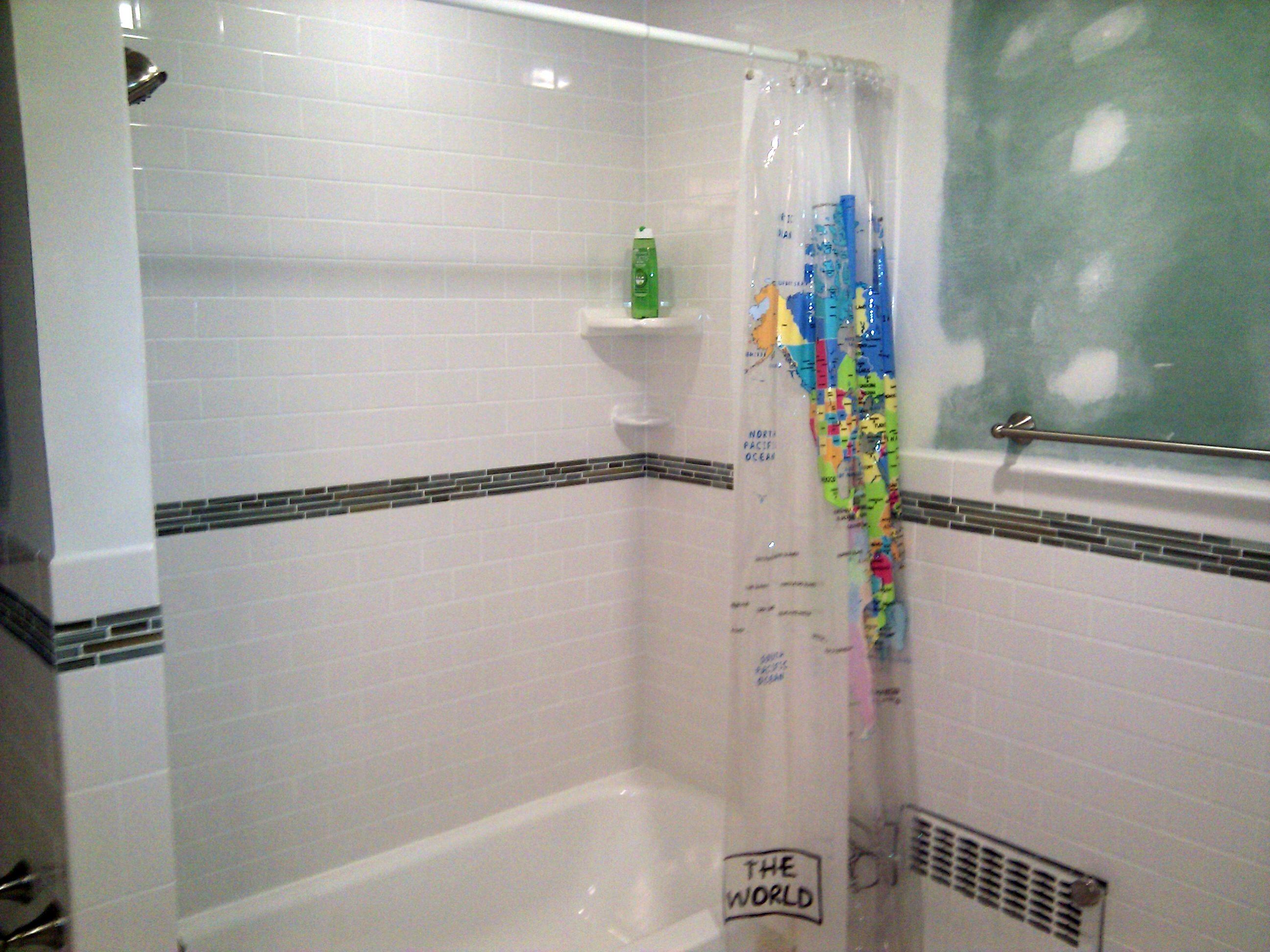
According to Modern Group, a home improvement company that specializes in solar power, heating water accounts for 40 percent of your total household energy use. With that being said, switching to a solar hot water system can help households save up to $58 on their monthly electricity bills – or $700 per year. Not bad!
4. Carpool to Work

While you may love the peace and solitude of your morning commute to work, there really aren’t many other positives of driving to work alone. If you live near a coworker, you should seriously consider carpooling to work. By trading weeks to drive with someone else, you can cut your monthly fuel expenditures in half. If you can find a third or fourth person, the savings can be even greater.
5. Become a Smart Shopper
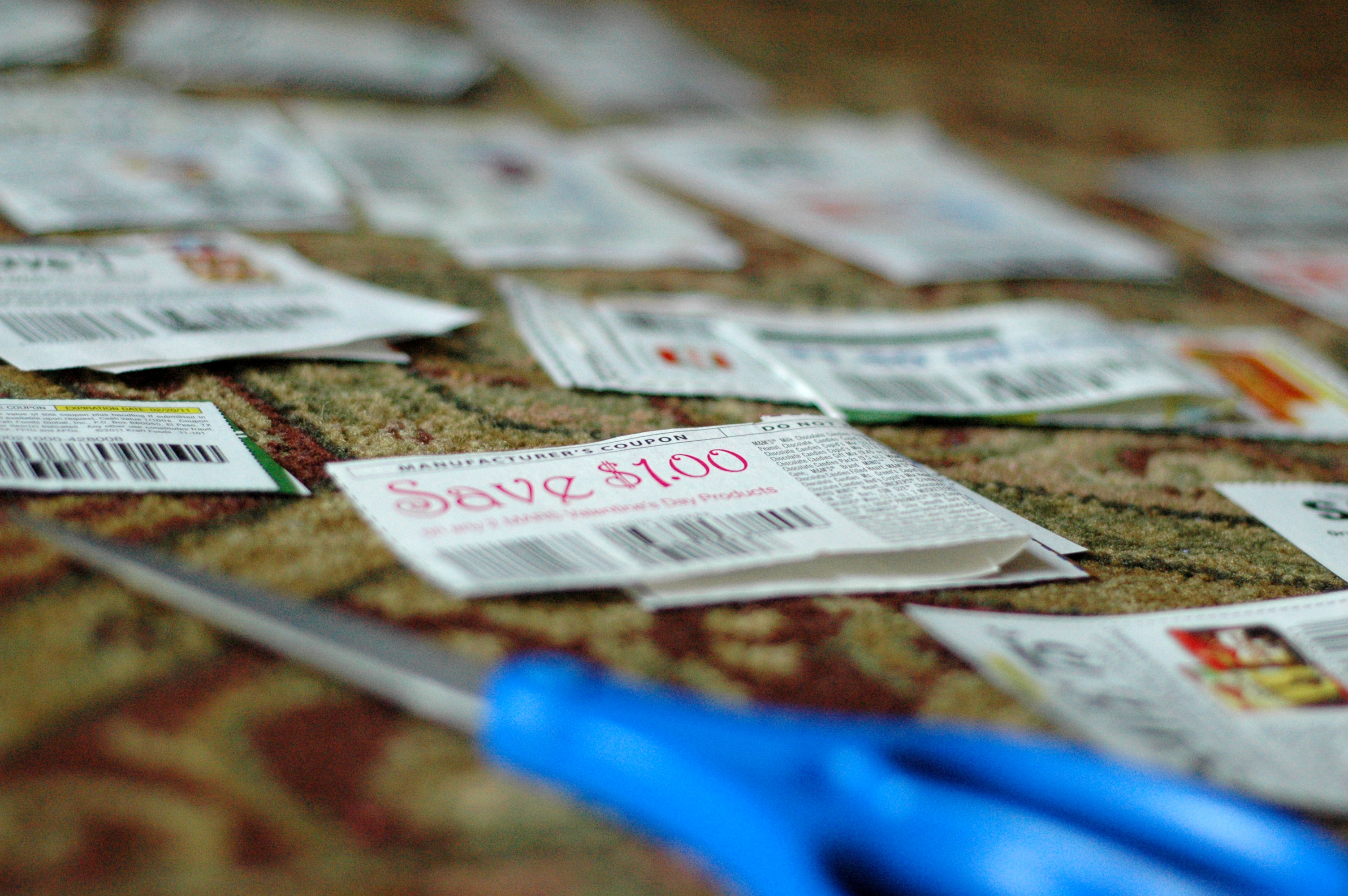
While we mentioned that eating at home is much cheaper than eating out, you have to become a smart shopper to fully realize these savings. This means clipping coupons, knowing where to shop, buying in bulk, and switching over from name brands to store brands. If you do these things, a single person can reasonably cut their grocery bill down to just $20 per week. Pretty incredible!
6. Leave Your Gym

Getting regular exercise is important, but who said you have to spend $50 per month on a gym membership? And if you’re simply using the gym to run on the treadmill, you’re throwing money down the drain.
By leaving the gym and running or walking outside with friends, you can save up to $600 per year. Plus, it feels better to exercise outside than it does to be cramped in a dingy gym with dozens of other sweaty people potentially damaging their shins and knees through using unforgiving machines.
What are you waiting for?
By leaving the gym and running or walking outside with friends, you can save up to $600 per year. Plus, it feels better to exercise outside than it does to be cramped in a dingy gym with dozens of other sweaty people potentially damaging their shins and knees through using unforgiving machines.
Ready, Set, Save
As you can see, it doesn’t take a total lifestyle overhaul to start saving money. If you were to follow all of the advice outlined in this article, you’d be able to put away thousands of dollars in a savings account by the end of 2016.What are you waiting for?


