

Learning how to knit might not be at the top of your fall to-do list, but it should be. Not just for your grandmother anymore, knitting has a wide variety of benefits beyond having something comfy to wear/snuggle/give away at the end of the process.
Plus, you don't have to use that scratchy wool yarn. There are plenty of really soft brands of yarn that you can use.
Plus, you don't have to use that scratchy wool yarn. There are plenty of really soft brands of yarn that you can use.
1. It gives you a sense of pride
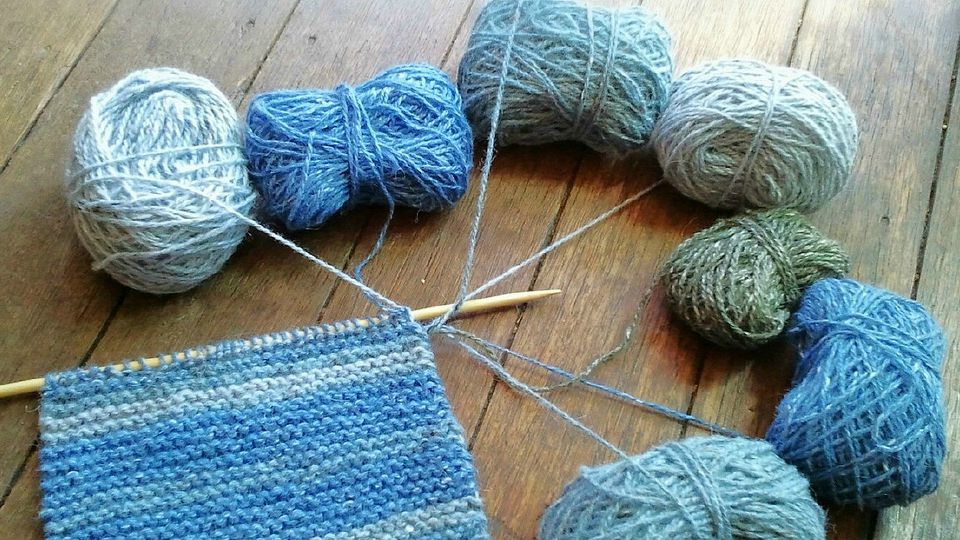
Not a lot of people know how to knit. Showing off something you've knitted to someone who has no idea how you managed it is like showing off some sort of new magic trick. They're going to be in awe of your newly acquired witchcraft and you'll receive a ton of compliments (plus requests for scarves, but you can handle that however you want).
2. It has the same benefits of meditation
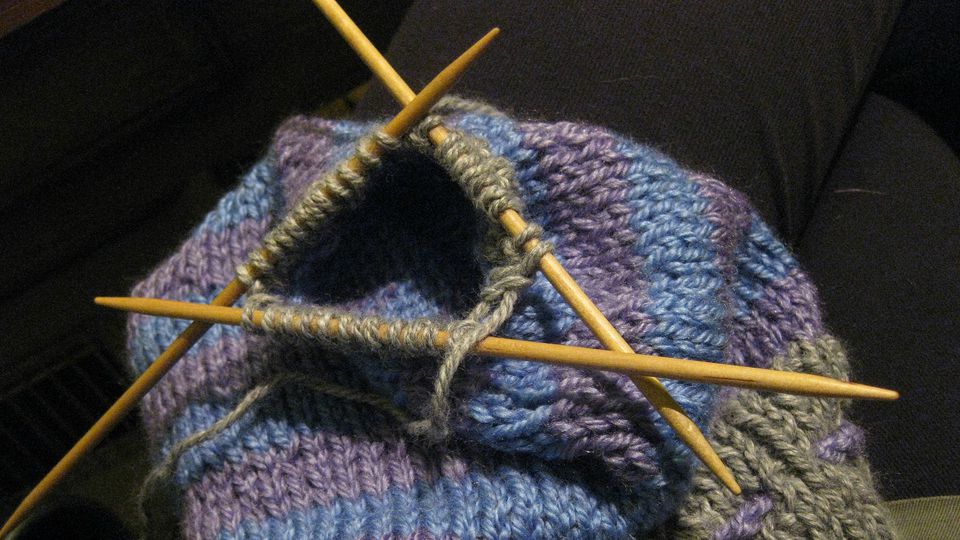
Once you figure out what you're doing, knitting can be very relaxing. Simple knitting projects are usually the same few stitches over and over, so you can zone out and use your muscle memory to get the job done. The rhythmic, repetitive motion and relaxation has the same benefits to your mind and body as a meditation session, except you get a blanket at the end.
3. It alleviates symptoms of anxiety, stress, and depression
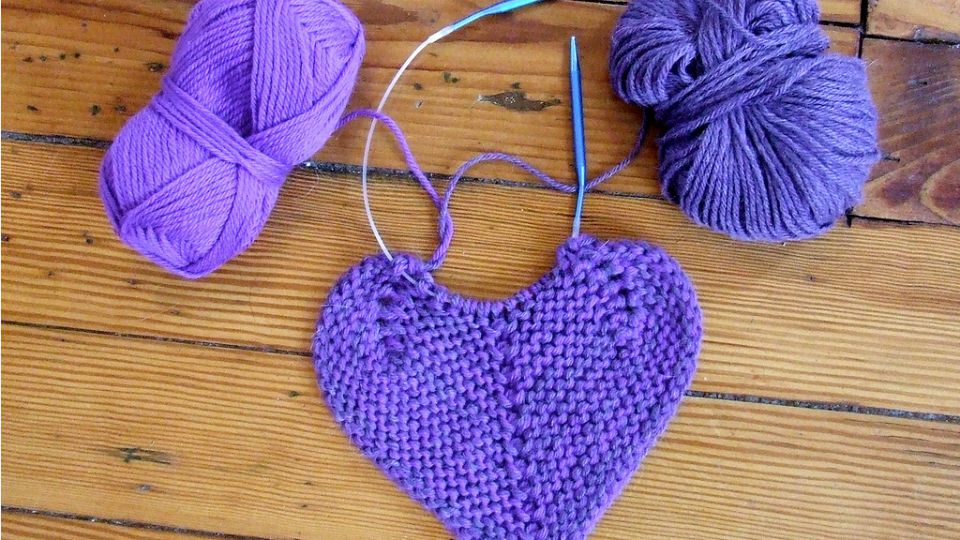
The rhythmic motions and sense of focus can help distract from symptoms of anxiety, depression, and stress. Sitting still to knit reduces your heart rate and lowers your blood pressure after a few minutes, so reaching for those knitting needles when you start to feel anxiety build or depression seeping in can help keep those symptoms at bay.
4. It helps improve motor functions
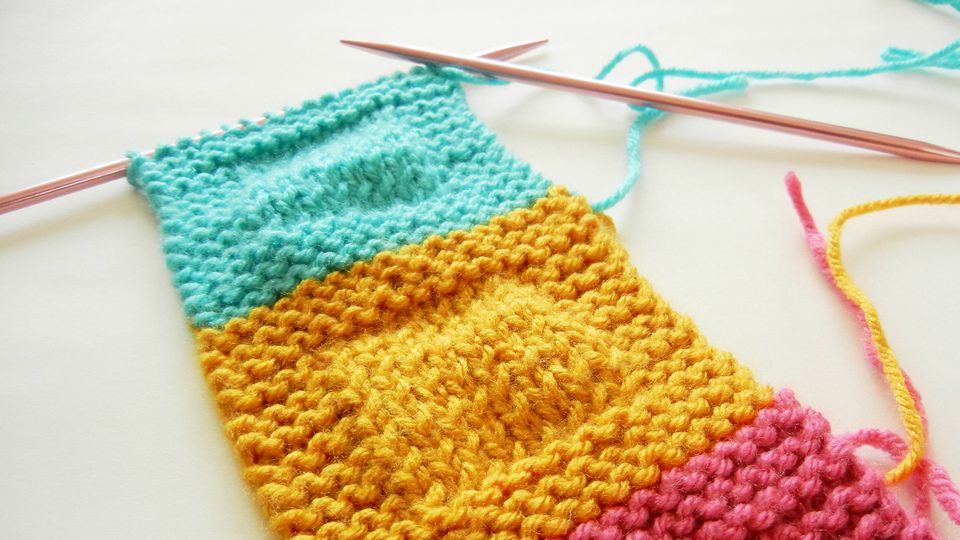
Because knitting stimulates almost the whole brain at once—"the frontal lobe (which guides rewards processing, attention and planning), the parietal lobe (which handles sensory information and spatial navigation), the occipital lobe (which processes visual information), the temporal lobe (which is involved in storing memories and interpreting language and meaning) and the cerebellum (which coordinates precision and timing of movement)"—it can be used to help people with diseases like Parkinson's improve their motor functions. It both helps improve their fine motor skills and distracts from other painful symptoms.
5. It slows cognitive decline
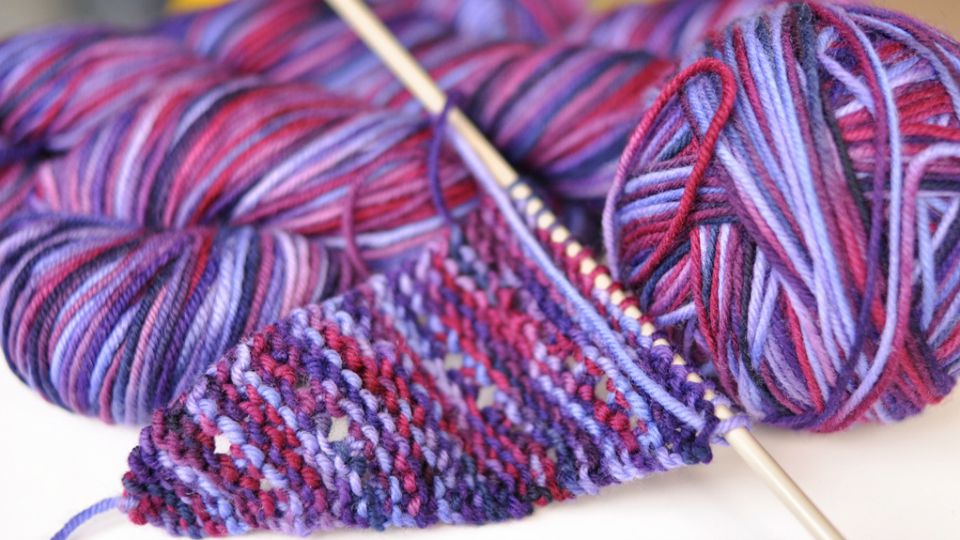
While it's helping improve your motor function and mood, knitting is also stimulating your brain to keep it healthy. The more you use your brain, the healthier it becomes, and the longer it lasts. According to the Mayo Clinic, seniors who engage in crafts (including knitting) are about 30-50% less likely to have a "mild cognitive impairment" than those who don't.
6. It helps prevent arthritis and tendinitis
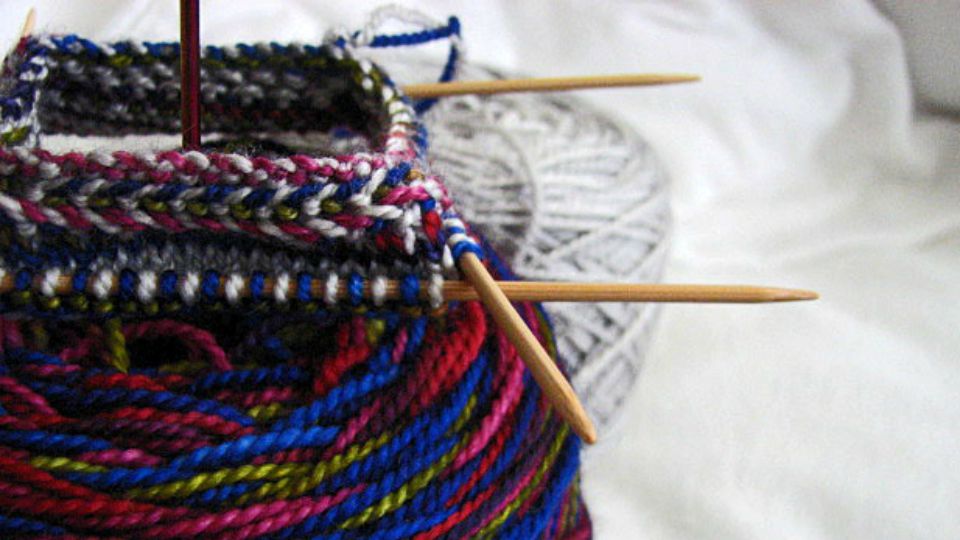
Just like you have to use your brain to keep it healthy, you have to use your joints to keep them healthy as well. According to Dr. Barron, gently using your fingers builds up their cartilage, making it stronger, instead of wearing it down. Knitting is better for this than typing, which doesn't put quite enough strain on your fingers, but it isn't so strenuous that you'll have other problems down the road. Already have arthritis? Dr. Barron recommends soaking your hands in some warm water and using larger needles to create your masterpieces.
Now that you know all about the health benefits of knitting, head over to your local craft store to pick up some supplies. Some of them have free or cheap classes for beginners, so ask around! If you can't find classes, the great resource that taught me how to knit was tutorials on YouTube and Pinterest. Trust me—once you get the hang of knitting, you won't want to stop.
Now that you know all about the health benefits of knitting, head over to your local craft store to pick up some supplies. Some of them have free or cheap classes for beginners, so ask around! If you can't find classes, the great resource that taught me how to knit was tutorials on YouTube and Pinterest. Trust me—once you get the hang of knitting, you won't want to stop.


