

Have you ever noticed that some people are able to effortlessly remember even the most mundane details and quickly comprehend new things? Well, learning how to improve memory isn't as difficult as you might think.
To unlock the full potential of your brain, you need to keep it active and acute. Wasting time on your couch watching mindless television shows or scrolling through social media is not going to help.
Besides getting out flashcards, what can you do to help remember things better and learn new things more quickly? Check out these 10 effective strategies on how to improve your memory.
Furthermore, without regular exercise, plaque starts to build up in your arteries, and your blood vessels begin to lose the ability to regulate blood flow. Plaque buildup reduces the amount of oxygen and nutrients that your blood carries to your brain. When the nutrients don't make it there, the brain's ability to function is compromised.
Research has shown that exercising four hours after learning significantly improved memory retention. Researchers suggest that "appropriately timed physical exercise can improve long-term memory and highlight the potential of exercise as an intervention in educational and clinical settings."[1]
To improve memory, make sure you get moving every day. Even if it's just a brisk walk, it'll help you maintain and increase your mental acuity. Brisk walking, swimming, and dancing are all excellent activities.
If you have trouble finding time to fit in a workout, check out this article: 5 Ways to Find Time for Exercise.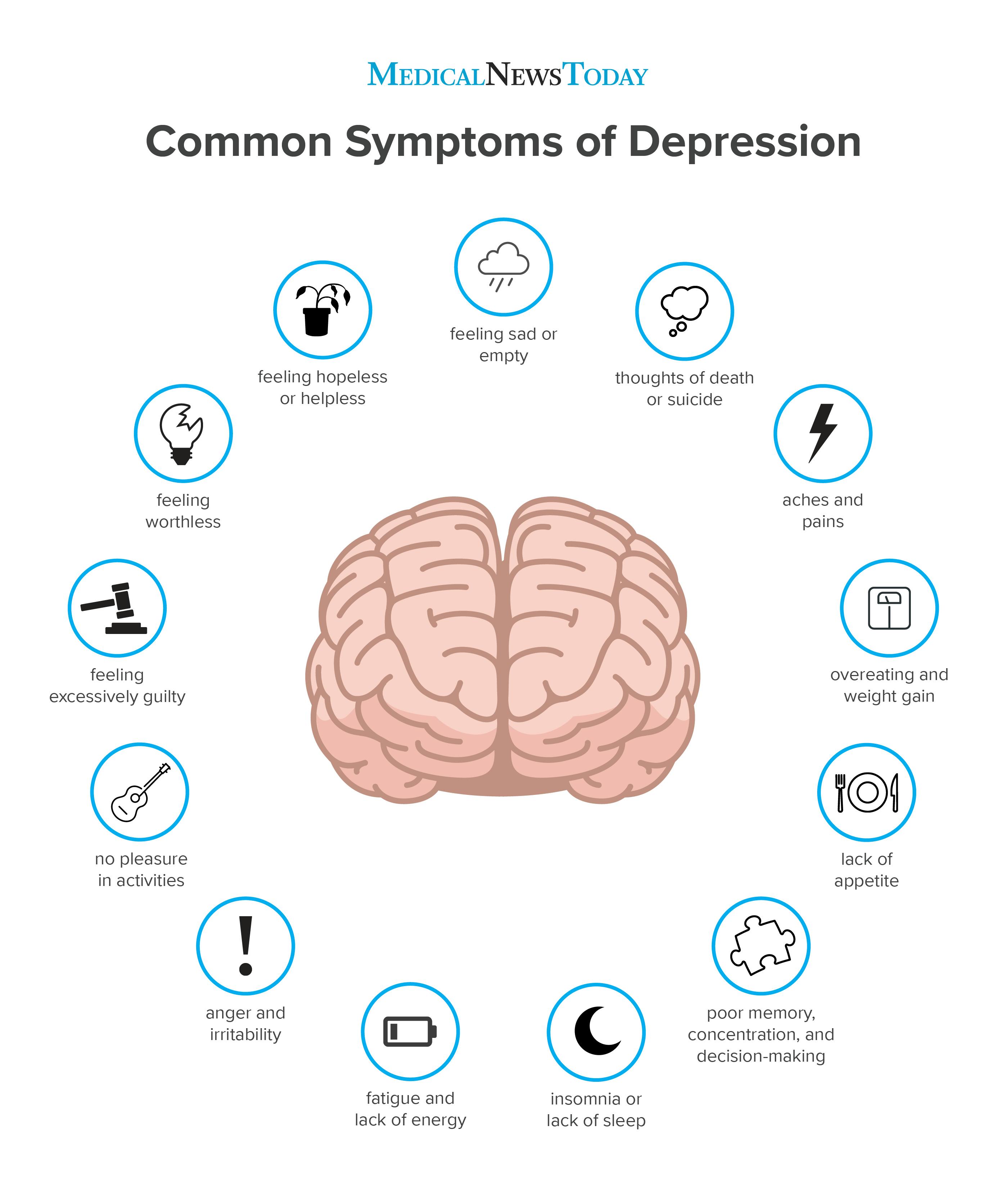 One study assessed memory in 3999 veterans and found that "depressive symptoms (without anxiety) had an adverse effect on immediate recall of new information and the total amount (but not rate) of acquisition."[3]
If you can't concentrate, then you might feel like you are constantly forgetting things. Depression increases the levels of cortisol in your bloodstream, which elevates the cortisol levels in the brain. Doctors have found that increased cortisol diminishes certain areas of the brain, especially the hippocampus, which is where short-term memories are stored.
Prolonged depression can thus destroy your brain's ability to remember anything new. Seek professional help to combat your depression and any stressors causing it—your brain will thank you.
Getting enough sleep will help you get through the full spectrum of nocturnal cycles that are essential to optimal brain and body functioning during the waking hours. On the contrary, sleep deprivation can put a huge dent in your ability to form memories.
Another helpful strategy is to take a nap during the day, especially after learning something new. This can also help you to retain those memories, as well as recharge your brain and keep it sharper longer. However, the length of your nap is also very important. In one study, scientists found that people who napped for 30-90 minutes experienced better word recall[5].
This TED video explains how you can improve memory just by getting the right amount of sleep.
https://www.ted.com/talks/matt_walker_hacking_your_memory_with_sleep?language=en&referrer=playlist-sleeping_with_science
This is precisely why parents are advised to feed their young children whole milk and to restrict dieting to improve memory. Their brains need fat to grow and work properly. Skimping on fats can be devastating, even to the adult brain[6].
Thus, eating foods that contain a healthy mix of fats is vital for long-term memory. Some excellent food choices include fish (especially anchovies, mackerel, and wild salmon) and dark, leafy green vegetables.
For more great brain food choices, check out this article.
Deep-fried foods obviously contain fat, but their lack of nutritional value is not going to help your brain or your body, so think healthy foods and fats first.
Other foods to add to your breakfast include fruits, vegetables, and lean proteins. Avoid trans fats and high-fructose corn syrup. Trans fats diminish the brain cells' ability to communicate with each other, and studies showed that HFCS can actually damage the brain by promoting brain insulin resistance[7].
Having a healthy breakfast in the morning has been shown to improve performance throughout the day, so don't skimp on this important meal!
Nowadays, it's fairly uncommon to write down notes with a pen and paper. When we go to class or meetings, we take our laptops and use that to mark down important ideas. However, recent research has suggested that may be doing us more harm than good.
One 2014 study found that "even when laptops are used solely to take notes, they may still be impairing learning because their use results in shallower processing."[8]
You can start a journal, write yourself emails, or even start keeping a blog. All of these activities will help to improve your capacity to remember and memorize information. Most importantly, if you're going to class or to a big meeting, consider taking notes by hand instead of on your computer.
Listening to music has been shown to specifically benefit the memorization of words. One study found that young adults who listened to music while memorizing a list of words, as opposed to listening to environmental sounds or silence, performed better when asked to recall the words.
Next time you have to memorize a speech of want to compete in a spelling bee, try listening to music while studying. You may be surprised by how much it helps.
Pay attention to photographs, charts, and other graphics that might appear in your textbook; or, if you're not studying a book, try to pull up a mental image of what it is you are trying to remember. It might also help to draw your own charts or figures, or utilize colors and highlighters to group related ideas in your notes.
Another strong visualization technique for memory is the memory palace. This essentially involves imagining a place you know well (your house or a former school, for example), listing distinctive features of the place in your mind, and associating those features with things you want to remember. Then, when you need to recall information, you simply go the specific room or object where you stored the information in your mind, and it will come to you.
For more information on how to build a memory palace, check out this article: How to Build a Memory Palace to Remember More of Everything.
One study pointed out that this increased memory specifically because it forced students to recall the information in order to teach it[9].
Teach new concepts and information to a friend or study partner, and you'll find you remember the information a lot better.
So, pick up the daily newspaper and work on that crossword puzzle, read a book, or enjoy a game of Solitaire if you want to boost your memory.
To unlock the full potential of your brain, you need to keep it active and acute. Wasting time on your couch watching mindless television shows or scrolling through social media is not going to help.
Besides getting out flashcards, what can you do to help remember things better and learn new things more quickly? Check out these 10 effective strategies on how to improve your memory.
1. Get Your Body Moving
Physical activities don't just exercise the body, but it also helps to exercise your brain. Obesity and the myriad of diseases that eventually set in as a result of being overweight can cause serious harm to the brain, so when learning how to improve your memory, exercise (especially aerobic exercise) is king.Furthermore, without regular exercise, plaque starts to build up in your arteries, and your blood vessels begin to lose the ability to regulate blood flow. Plaque buildup reduces the amount of oxygen and nutrients that your blood carries to your brain. When the nutrients don't make it there, the brain's ability to function is compromised.
Research has shown that exercising four hours after learning significantly improved memory retention. Researchers suggest that "appropriately timed physical exercise can improve long-term memory and highlight the potential of exercise as an intervention in educational and clinical settings."[1]
To improve memory, make sure you get moving every day. Even if it's just a brisk walk, it'll help you maintain and increase your mental acuity. Brisk walking, swimming, and dancing are all excellent activities.
If you have trouble finding time to fit in a workout, check out this article: 5 Ways to Find Time for Exercise.
2. Eliminate Stressors
Any risk factors that cause you major stress, like anger or anxiety, will, in time, begin to eat away the parts of your brain that are responsible for memory. Amongst the most brain-damaging stressors is depression, which is actually often misdiagnosed as a memory problem since one of its primary symptoms is the inability to concentrate[2].
One study assessed memory in 3999 veterans and found that "depressive symptoms (without anxiety) had an adverse effect on immediate recall of new information and the total amount (but not rate) of acquisition."[3]If you can't concentrate, then you might feel like you are constantly forgetting things. Depression increases the levels of cortisol in your bloodstream, which elevates the cortisol levels in the brain. Doctors have found that increased cortisol diminishes certain areas of the brain, especially the hippocampus, which is where short-term memories are stored.
Prolonged depression can thus destroy your brain's ability to remember anything new. Seek professional help to combat your depression and any stressors causing it—your brain will thank you.
3. Get a Good Night's Sleep
Getting a consistent 7 to 8 hours of sleep each night will help you in your task of learning how to improve memory. During sleep, the brain firms up memories of recently acquired information, especially during REM sleep[4].Getting enough sleep will help you get through the full spectrum of nocturnal cycles that are essential to optimal brain and body functioning during the waking hours. On the contrary, sleep deprivation can put a huge dent in your ability to form memories.
Another helpful strategy is to take a nap during the day, especially after learning something new. This can also help you to retain those memories, as well as recharge your brain and keep it sharper longer. However, the length of your nap is also very important. In one study, scientists found that people who napped for 30-90 minutes experienced better word recall[5].
This TED video explains how you can improve memory just by getting the right amount of sleep.
https://www.ted.com/talks/matt_walker_hacking_your_memory_with_sleep?language=en&referrer=playlist-sleeping_with_science
4. Feed Your Brain
Fifty to sixty percent of the brain's overall weight is pure fat, which is used to insulate its billions of nerve cells. The better insulated a cell is, the faster it can send messages, and the quicker you can think.This is precisely why parents are advised to feed their young children whole milk and to restrict dieting to improve memory. Their brains need fat to grow and work properly. Skimping on fats can be devastating, even to the adult brain[6].
Thus, eating foods that contain a healthy mix of fats is vital for long-term memory. Some excellent food choices include fish (especially anchovies, mackerel, and wild salmon) and dark, leafy green vegetables.
For more great brain food choices, check out this article.
Deep-fried foods obviously contain fat, but their lack of nutritional value is not going to help your brain or your body, so think healthy foods and fats first.
5. Eat Breakfast (And Include an Egg)
According to Larry McCleary, M.D., author of The Brain Trust Program, an egg is the ideal breakfast. Eggs contain B vitamins, which play a role in helping nerve cells burn glucose, producing antioxidants that protect neurons against damage, and offering omega-3 fatty acids that keep nerve cells firing at optimal speed. If you want to learn how to improve memory, breakfast is incredibly important.Other foods to add to your breakfast include fruits, vegetables, and lean proteins. Avoid trans fats and high-fructose corn syrup. Trans fats diminish the brain cells' ability to communicate with each other, and studies showed that HFCS can actually damage the brain by promoting brain insulin resistance[7].
Having a healthy breakfast in the morning has been shown to improve performance throughout the day, so don't skimp on this important meal!
6. Write it Down
If there's something you want to remember, writing it down can help.Nowadays, it's fairly uncommon to write down notes with a pen and paper. When we go to class or meetings, we take our laptops and use that to mark down important ideas. However, recent research has suggested that may be doing us more harm than good.
One 2014 study found that "even when laptops are used solely to take notes, they may still be impairing learning because their use results in shallower processing."[8]
You can start a journal, write yourself emails, or even start keeping a blog. All of these activities will help to improve your capacity to remember and memorize information. Most importantly, if you're going to class or to a big meeting, consider taking notes by hand instead of on your computer.
7. Listen to Music
Research shows that certain types of music are very helpful in recalling memories. Information that is learned while listening to a particular song or collection can often be recalled by thinking of the song or "playing" it mentally. Songs and music can serve as cues for pulling up particular memories. If you're looking into learning how to improve memory, this can be a great thing to try.Listening to music has been shown to specifically benefit the memorization of words. One study found that young adults who listened to music while memorizing a list of words, as opposed to listening to environmental sounds or silence, performed better when asked to recall the words.
Next time you have to memorize a speech of want to compete in a spelling bee, try listening to music while studying. You may be surprised by how much it helps.
8. Use Visualization
In order to remember things, many people need to visualize the information they are studying.Pay attention to photographs, charts, and other graphics that might appear in your textbook; or, if you're not studying a book, try to pull up a mental image of what it is you are trying to remember. It might also help to draw your own charts or figures, or utilize colors and highlighters to group related ideas in your notes.
Another strong visualization technique for memory is the memory palace. This essentially involves imagining a place you know well (your house or a former school, for example), listing distinctive features of the place in your mind, and associating those features with things you want to remember. Then, when you need to recall information, you simply go the specific room or object where you stored the information in your mind, and it will come to you.
For more information on how to build a memory palace, check out this article: How to Build a Memory Palace to Remember More of Everything.
9. Teach Someone Else
Reading material out loud has been shown to significantly improve memory of the material. Expanding further upon this idea is the fact that psychologists and educators have found that by having students teach new concepts to others, it helps to enhance understanding and recall.One study pointed out that this increased memory specifically because it forced students to recall the information in order to teach it[9].
Teach new concepts and information to a friend or study partner, and you'll find you remember the information a lot better.
10. Do Crossword Puzzles, Read, or Play Cards
Studies have shown that doing crossword puzzles, reading, or playing cards on a daily basis helps to delay memory loss, especially in those who experience cognitive decline in the form of dementia[10].So, pick up the daily newspaper and work on that crossword puzzle, read a book, or enjoy a game of Solitaire if you want to boost your memory.
Final Thoughts
Everyone has the ability to learn how to improve your memory and boost brain power, and everyone will find that different strategies work for them. Try out some of the above in order to get a feel for what works for you.More on How to Improve Your Memory
- How to Increase Brain Power, Boost Memory and Become 10X Smarter
- 11 Brain Training Apps to Train Your Mind and Improve Memory
- 11 Tactics on Increasing Brain Power, Memory, and Motivation
- Is Memory Enhancement Possible? 12 Ways That Actually Work