

It's true to say that we all have some cooking techniques or use some cooking method that we thought helped with the flavor and aids our culinary skills. Well there are plenty of cooking myths out there that just need to be blown apart. This answer found in Quora helps to blow away some of those things we believe that simply, aren't true. What are the cooking myths that are not real?
Here's whatJonas M Luster, an experienced chef, has to say about it -
" Some of the more common ones:
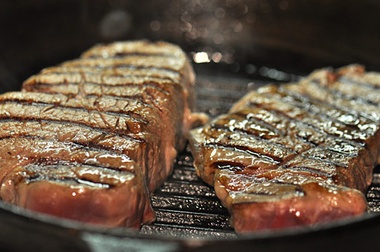
You can not "sear meat to seal in juices"
This is a TV-chef myth. It comes up all the time on the telly, which doesn't make it any more true. In fact, the act of searing the outside of meat actually makes it more porous and therefore more likely to give off juices under pressure. This pressure does not have to be manual, the mere exposure to heat forces the muscle (almost all traditional cuts are muscles) to contract and therefore expel juices from the item.You can't stop those juices, but you can work with it. Searing at great heat and then finishing your meat at lower heat, letting it rest for a while after cooking and before serving, preserves the second-largest amount (top for that is still Sous Vide cooking) of juices.
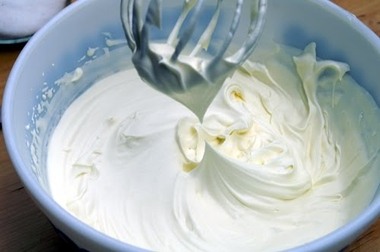
You don't have to keep whipping cream or it "falls apart"
I am guilty of that myth myself. Always the strict and fun-removed cooking instructor I want my students to sweat some. But the truth is, when whipping egg whites or cream, stopping in the middle and picking it back up a few seconds later (when that arm gets too heavy) doesn't make your whip fall apart. If anything, it helps by allowing the structure to set and firm up a little. Just don't remove your whisk, leave it inside your liquid at all times, and restart at medium speed, not at full bore.Speaking about myths, you don't need a special whisk for stuff. The whole idea of whisking is integration of air into a liquid - get the one with the most spokes, cheap or expensive, and if you still find yourself having issues use two whisks at once, you'll see the insane difference.
"Crowding Pasta" is OK in 99% of all cases
My mother believed this one to be true, too. Plus those idiot TV cheflebrities with vaguely Italian names who think that a grandfather from Rome and a vacation in the 80s makes them "Italian" keep perpetuating it. Unless, and that's really the only time, you make your own, 100% semolina (it's not a good mix to begin with), pasta and do not rest/dry it, you don't need to fill a huge pot with lots of water for some product. As long as all of the pasta is covered, crowding is never an issue. Add enough salt to make it, as my Italian chef always said, "taste like theAdria", NO oil (never, ever), and bring to a light, not rolling, boil. And, voila, perfect pasta every time.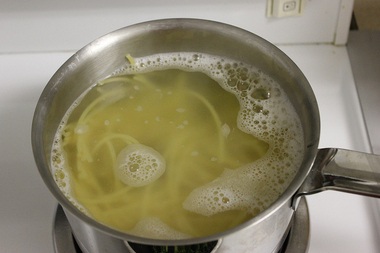
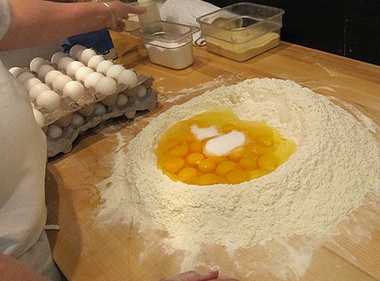
Bonus: No, it's perfectly OK to buy your pasta
A foodie myth. Apparently, I am told, only home made pasta is worth it. Well, that's a myth. Good bought pasta contains exactly the same stuff you'd put into it. Unless it's ravioli (in which case you have to make it yourself to get stuff inside), buying pasta is completely acceptable and done anywhere and everywhere. Yes, that includes Michelin-starred places.Clarification:Barilla and other durum-extruded pastas are different from home made pasta in contents and taste. They're not worse or better, but different. When I refer to store bought pasta it's the stuff you buy at a pasta shop, not a supermarket.
Salt and Yeast - not as incompatible as you think
Cooking school myth. "Don't put salt on the yeast, you'll kill it". Active dry yeast, double-rise yeast, all those kinds, don't get too bothered by salt. If you are using bakers-loaf yeast (the alive kind in a block), salt can act as a desiccant and implode your yeasties, but if you bloom or add into dough just the packet yeast everyone else uses don't worry about salt touching it.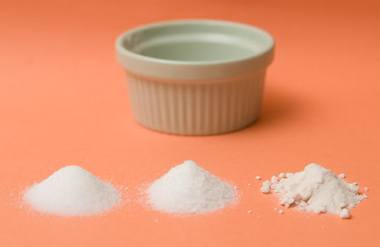
Pasta does not (should not) be rinsed
THAT one is one persistent myth. Many people I know seem to like to cook their pasta, then shock it. And that, firstly, doesn't stop the cooking process as quickly as one would assume, and - secondly - washes off all that nice starch covering the outside of the pasta. This, in turn, leads to thinner sauces, lack of sauce-pasta adherence, and to a drying of your pasta. Cook until 80% doneal dente,then just remove and let stand and finish cooking while you set up the sauce.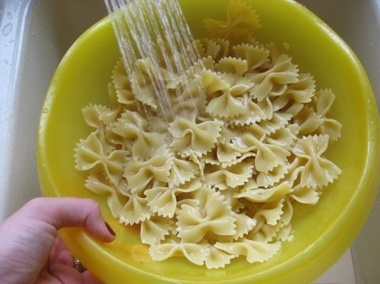
Adding salt doesn't make your water boil faster
Adding salt actuallyraisesthe boiling point of water. The amount of salt we add to cooking water, however, is way too low to make a discernible difference to the things cooked in it. Salt seasons food, it acts hygroscopic in some cases, and in the case of pasta it actually counteracts some of the starch cohesion while cooking.
Santoku knives aren't worth it
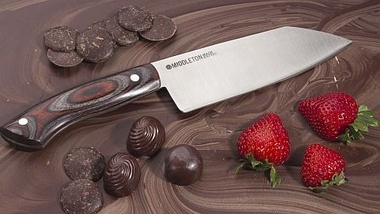
Get a chef's knife. Buying Santoku doesn't make you more sophisticated or for better cuts. French knifes (the slightly curved blade kind, known as "Chef's Knife") work like saws - one slices them across the surface and the blade's miniature 'teeth' cut through the product. Santokus work like axes - by pushing apart the cut. For this to work, Santoku have to be insanely sharp, thin, and be made of extremely good steel. Such technology does not come at a $200 price.Stick with a chef's knife, it's better.
Lard is healthier than you think
Lard has less saturated fat, more unsaturated fat, and less cholesterol than an equal amount of butter by weight. It also contains no trans-fats while Margarine and Shortenings do. The "Lard is bad for you" myth was started by the hydrogenated vegetable oil producers who wanted to push butter and lard off the shelves to make room for their chemical crapola.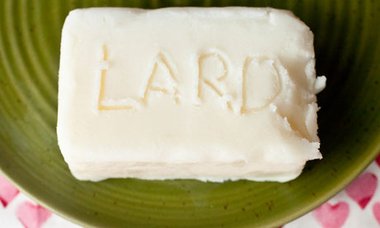
One does not "caramelize" onions
Onions brown, they do not caramelize. For caramelization to occur, sugar has to be present in mono- or disaccharide form. In onions, the amino acids are deprotonated and react with the sugar's carbonyl group. Why is that important? Well, it's bad form not to call a spade a spade (onions arebrowned, notcaramelized) and it's important to cooks since, alas, temperature requirements are different.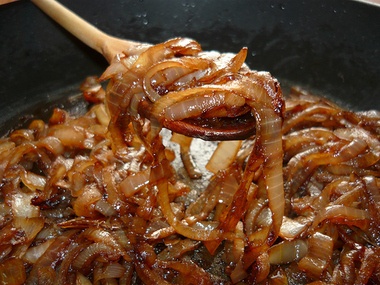
It doesn't matter how often you flip meat
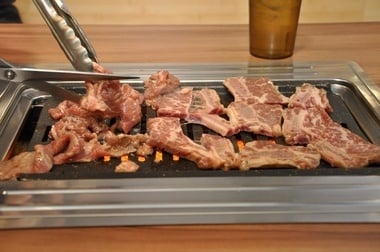
The "flip once" team and the "flip often" team are both right and wrong at the same time. It does not matter, for even cooking, how often meat is flipped. Most of the internal cooking process works through liquid redistribution as the muscle contracts and expands accordingly.McGee seems to favor "flip often". He told me three years ago that he was on the fence, leaning towards no difference between the two. Since this seems to have changed (though I still find no difference in my own work), flip often if you wish, either way it won't harm the meat :)
The "heat" is not in the seeds
Capsaicin (8-methyl-N-vanillyl-6-nonenamide) can be found anywhere in fruits that hold it (yes, chili peppers are fruits), but the highest concentration is actually in the placental layer of the fruit, the white flesh. Seeds have very little of it, actually, the heat comes from capsaicin that adheres to the outside of the seeds when the white flesh is cut.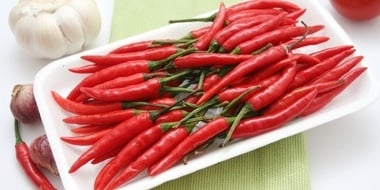
Baking Soda does nothing for your fridge
Baking soda does not absorb bad smells. It's an Arm & Hammer myth and scientifically false. How would baking soda DO that, anyways?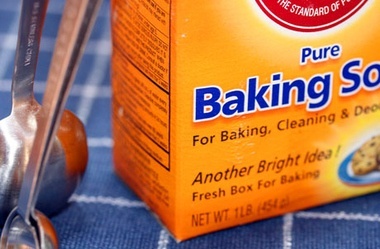
One does not "cook out all the nutrients" when cooking veggies
- Bonus: raw vegetables are not better (a major myth, lie, and source of massive income for some charlatans selling 'raw food' diet books)Most vitamins are unaffected by heat. Many of the minerals and vitamins in food are, actually, much more completely absorbed in the stomach when cooked beforehand. To re-iterate: raw foods are not, at all, healthier.
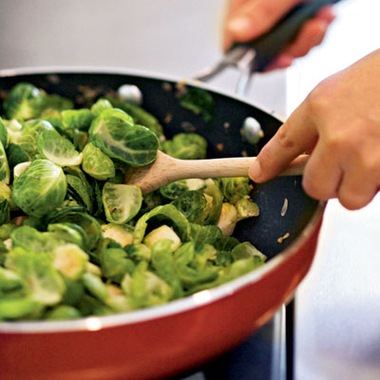
MSG is NOT bad for 99.9% of all Americans
The "Chinese disease" is a myth. A very small number of humans have an intolerance to glutamates (much less than, say, to salts or sugars) and will feel adverse effects. MSG itself, however, is not harmful in the least to most anyone. To "poison" someone with MSG the amount would have to be so humongous, the food would taste like crap and be 90% MSG.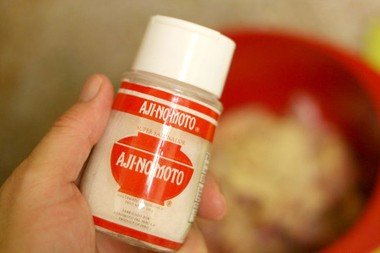
Gluten is NOT bad for 99.5% of all Americans
In 2005 a few niche providers of gluten free food saw an "in" and started maligning this age-old, completely harmless, substance. Today you can buy "gluten free" dog food, which is as much an abomination as the diet quacks and health food snake-oil vendors who claim that a gluten free diet has any positive effect on people. People with coeliac disease, however, must observe a gluten free diet.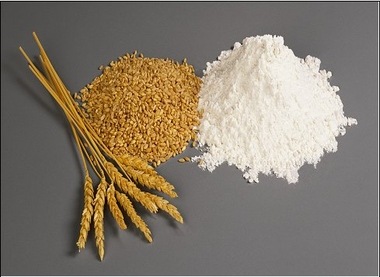
Alcohol doesn't "burn off"
Your grandmother's Rum Cake or that red wine in the sauce won't get you sloshed, but there's nothing you can do to food with alcohol in it, short of rendering it inedible, that will remove all the alcohol. Cook without it if anyone in your family has an intolerance.It violates everything basic chemistry taught us about alcohol, yes. Find a a USDA study I participated in and from which I draw my conclusions here:https://www.nal.usda.gov/fnic/foo...
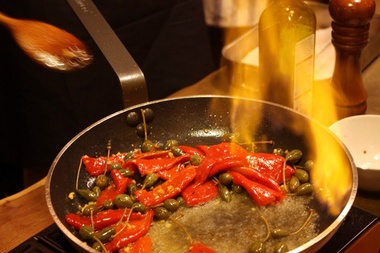
Marinades or special concoctions do not "tenderize" meat
Neither one permeates the meat very deeply. Don't believe me? Buy a cheap cut and some "tenderizer", pour food coloring into the solution, and put your meat into it. A day later cut it open - only a very shallow outer layer will be dyed. Marinades adhere to the outside and permeate into the meat fractions of a millimeter, but they flavor, not tenderize, the meat.Yogurt based marinades penetrate deeper and do tenderize. In general, still, the old-wife's tale of marinades "penetrating deep and tenderizing" is a myth.
When you burn yourself (happens to anyone), don't add ice to the injury or flour or anything else!
Adding ice to a burn will only damage the tissue more (think freezer burn), flour is a bad idea, also. When you burn yourself rinse with cool, not cold, water to stop your skin from cooking, add antibiotic ointment, cover, let heal. See a doctor for anything bigger than 5cm.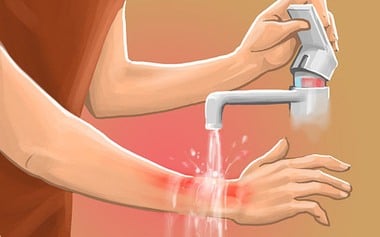
"Well Done" meats aren't inherently safer than medium rare or rare meats
Muscles are great things. One of the cool things about them is their ability to be completely shut off against many food borne illnesses. Most any, close to 99% of all, food borne illnesses are found not in the muscle but - through cross-contamination - on its outside. Once that part of the meat is exposed to the heat of a pan most of them are dead, too. Two caveats: ground meat and, a pet peeve of mine, those "tenderizer" needle stamps. Both will, if it is present, introduce nasty critters into the inside of the muscle or product. If you use ground meat grind it yourself after washing off the outside of the meat with water, working extremely cool all the time. "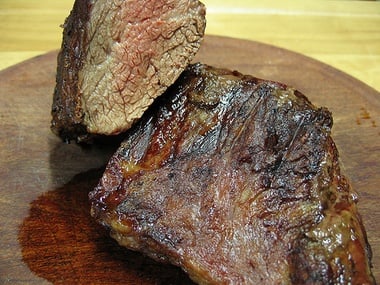 Here's the link to the original answer
Featured photo credit: chef by seasonal kitchenvia Shutterstock


